Handpicked from the same family lineup, scored for this weekend.
FAMILY
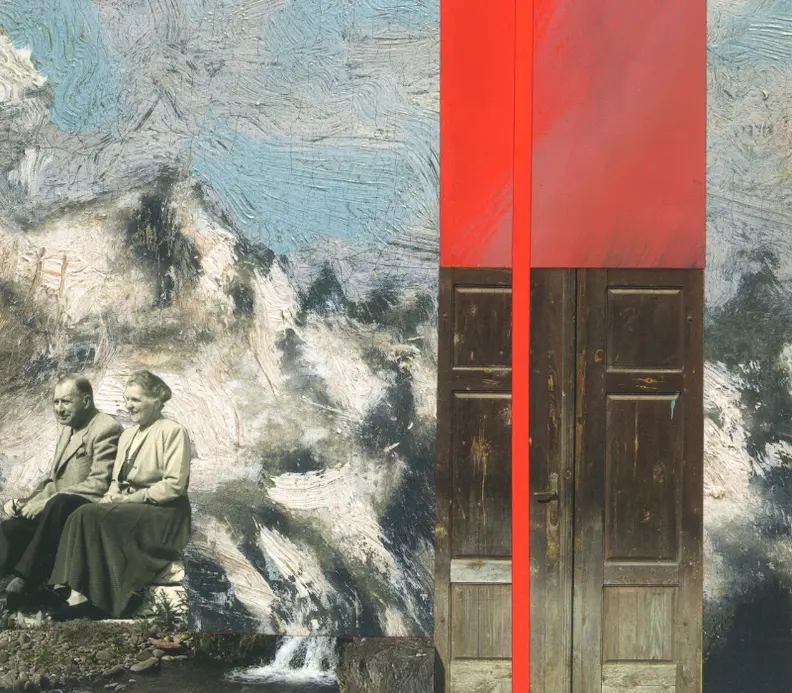
"Home, elsewhere." Collages and texts by Ines Doleschal
In her work, Ines Doleschal explores the history of her family from Hohenelbe in northern Bohemia. Her starting point is photographs of her ancestors as well as memories of their expulsion from Czechoslovakia and their new beginning in West Germany after 1945.
FAMILY
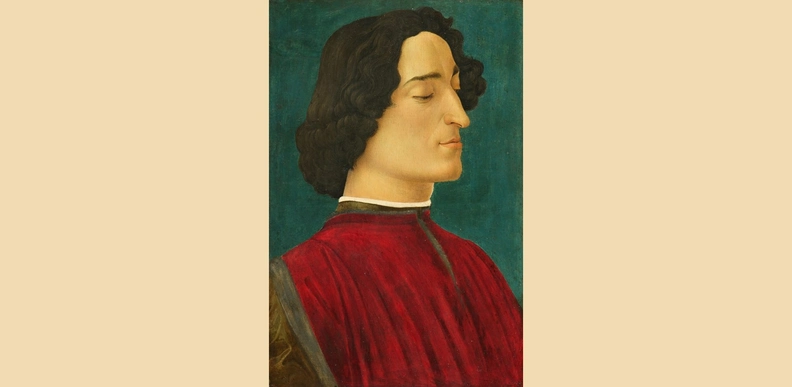
The Pazzi Conspiracy
On 26 April 1478, Lorenzo and Giuliano de’ Medici were attacked in the chancel of the Duomo of Florence. Giuliano was killed in the attack, while Lorenzo survived and went on to take revenge on the people responsible for masterminding the conspiracy - most notably the Pazzi…
FAMILY
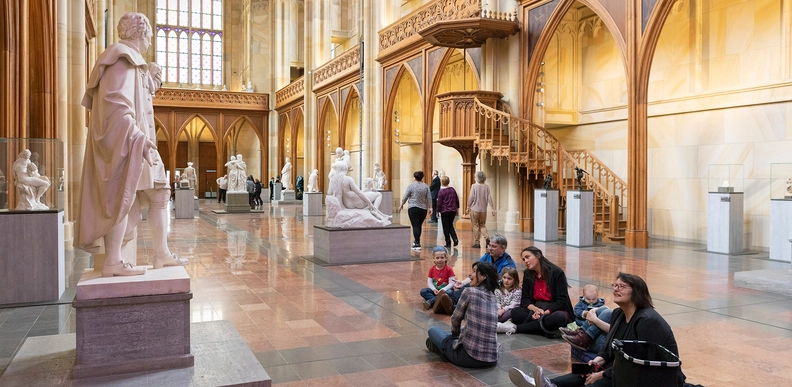
Prinzessinnen, Künstler und Co.
Why is a person carved in stone? Do you have to be dead for that? Why are they all naked? The stories of the sculptures in the Friedrichswerder Church are told in an exciting way for children and adults.
FAMILY
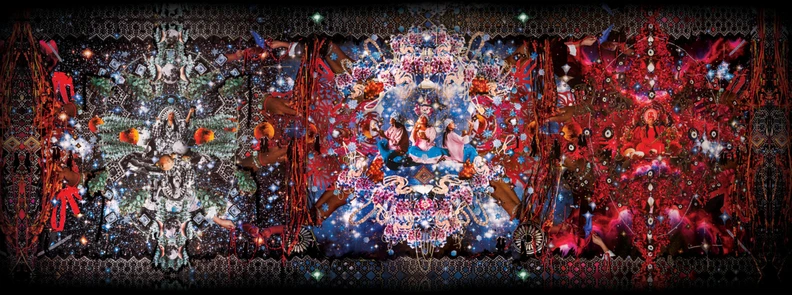
Living Room
Welcome to the Living Room. A gathering place of generations. This room invites you to read, relax, weave, knit, watch and listen. As part of the Family Matters programme, it offers the opportunity to unwind, become curious and actively explore.

FAMILY
Forum or palace? Family guided tour in German
The Humboldt Forum in Berlin is a new building with baroque façades reminiscent of the former Berlin Palace: Forum or Palace? New or old?
FAMILY
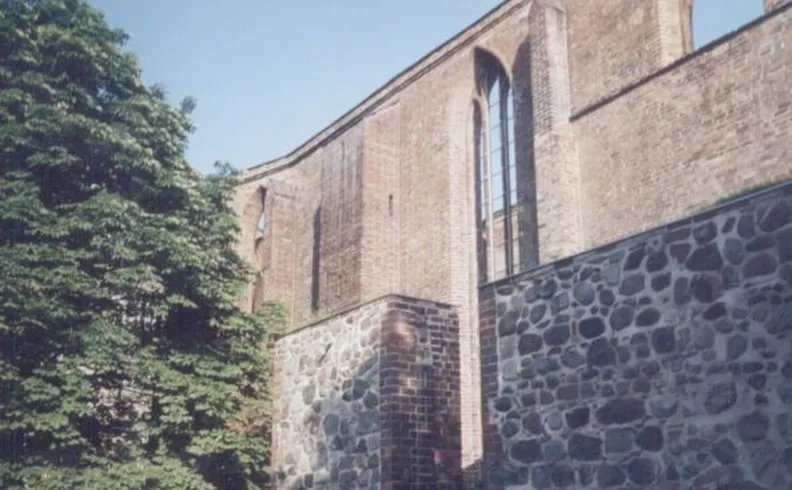
Bärentouren - Middle Ages Tour for Childen and Famities
This city tour is recommended for children who want to immerse themselves with their family in the exciting history of the Middle Ages in Berlin, from merchants to knights.
FAMILY
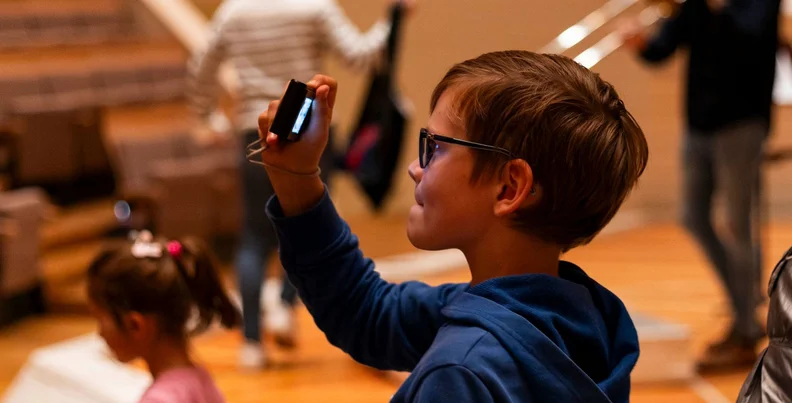
Family tours. “Our sound ship”
The Philharmonie Berlin is a unique sound vessel. Here you’ll find a soaring prow, portholes, sails and many other allusions to seafaring. All this - and much more - can be discovered on these guided tours for families and our youngest visitors, accompanied by members of the…
FAMILY
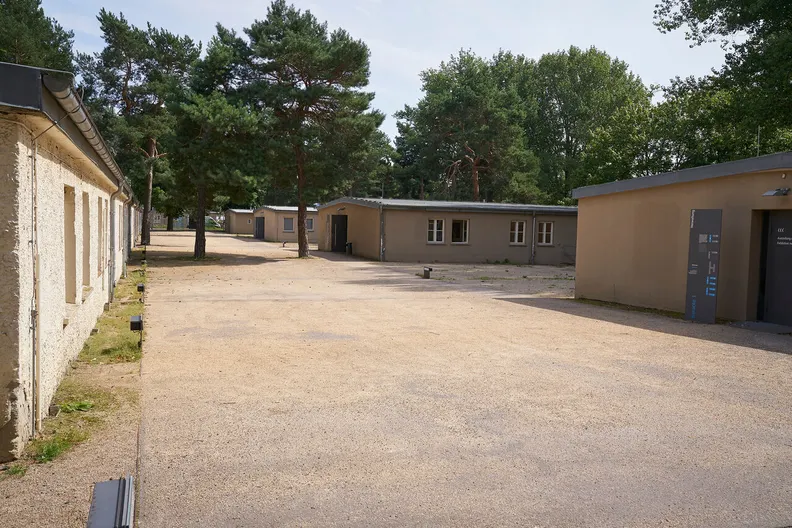
still there!
During the National Socialist era, friendly and intimate contact between Germans and prisoners of war or forced laborers was undesirable. In some cases, they were strictly forbidden. But they are "still there": children who emerged from such relationships.